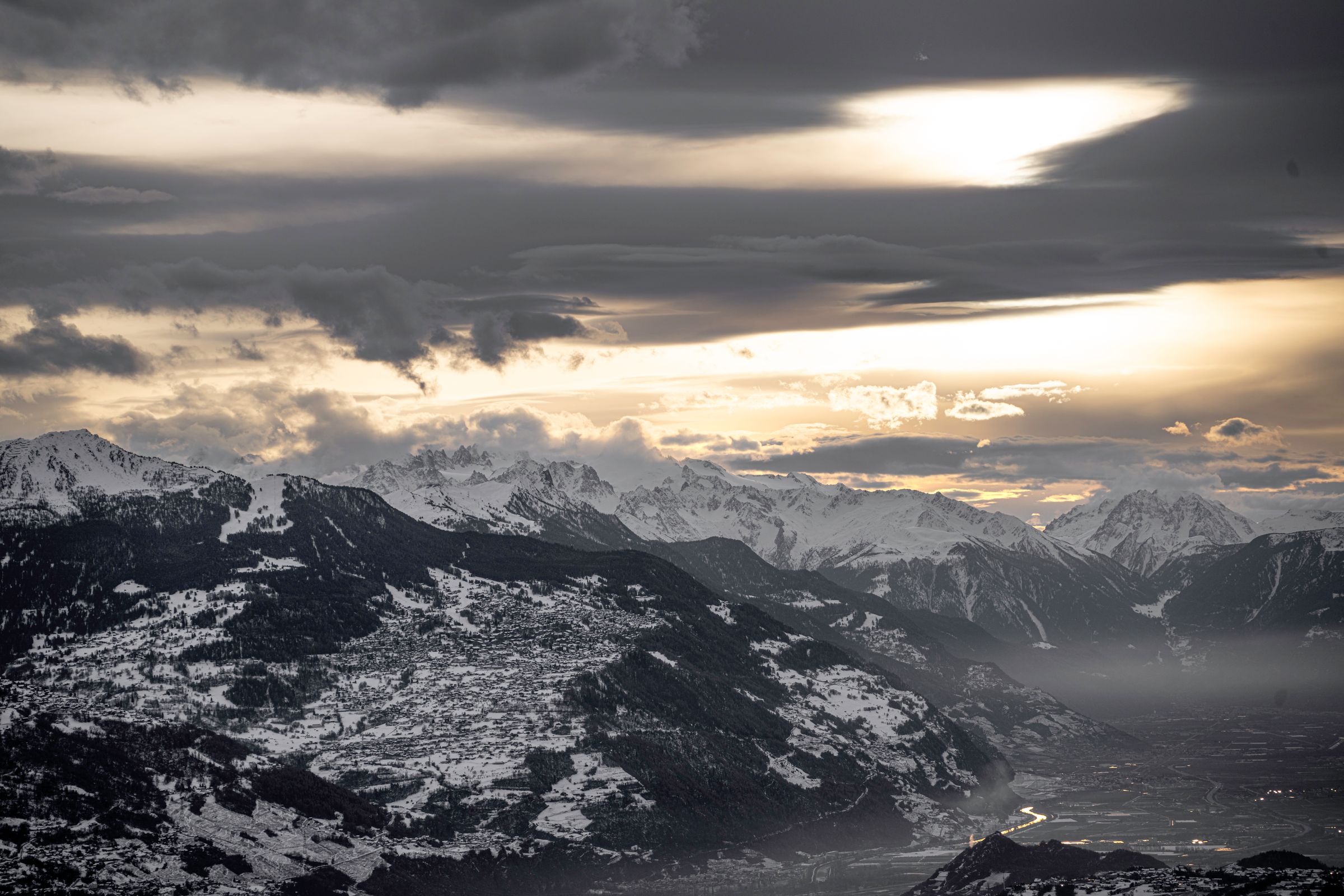
Luxury Ski Breaks
Luxury ski holidays in the world’s finest mountain resorts
Independent guides to the best luxury ski resorts, ski chalets in the Alps, five-star ski hotels, piste-side experiences and exactly what to pack, built on official resort facts, not hype.
600 km
of linked pistes across seven resorts in Les 3 Vallées, France
3,883 m
Matterhorn Glacier Paradise, Zermatt, Europe’s highest cable-car station
410 km
of slopes in the 4 Vallées around Verbier, topping out at Mont Fort (3,330 m)
5,758 acres
across four Colorado mountains on one Aspen Snowmass ticket
Figures from Les 3 Vallées, Zermatt Tourism / Matterhorn Paradise, Verbier Tourisme and Aspen Snowmass official pages. Resort numbers can change between seasons.
What is a luxury ski holiday?
A luxury ski holiday is still, first and foremost, a ski trip: the snow, the lift system and the terrain come first. What changes is the friction around the skiing. Instead of queuing for hire kit, hauling bags to a bus stop and eating whatever is open at 2pm, the logistics are handled so your energy goes into the mountain.
At the top end of the market, that usually means some combination of:
- Ski-in/ski-out or close-to-lift accommodation, or private transfers to the lifts
- Staffed chalets with a chef and host, or five-star hotels with a ski concierge
- Private instructors and qualified mountain guides booked ahead of peak weeks
- Heated boot rooms, ski hire delivered to your door and kit fitted in-house
- Spa, pool and recovery facilities for the end of the ski day
- Mountain restaurants and fine dining worth planning your runs around
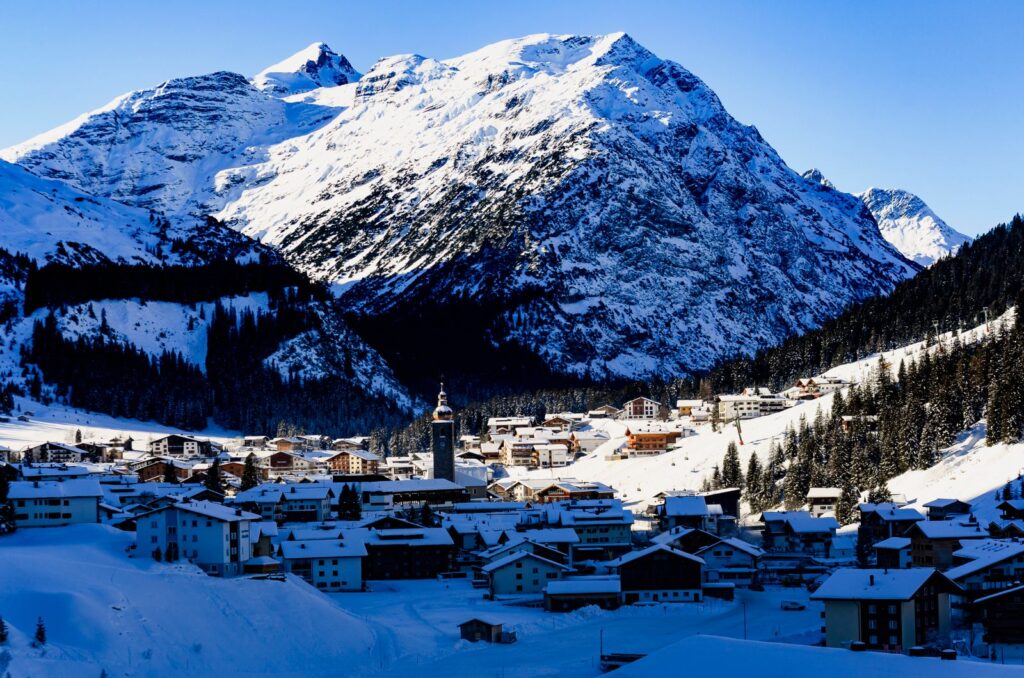
The best luxury ski resorts to know
Eight destinations that consistently pair serious skiing with serious comfort, from car-free Swiss villages and the Dolomites to the world’s largest linked ski area and North America’s largest ski resort.
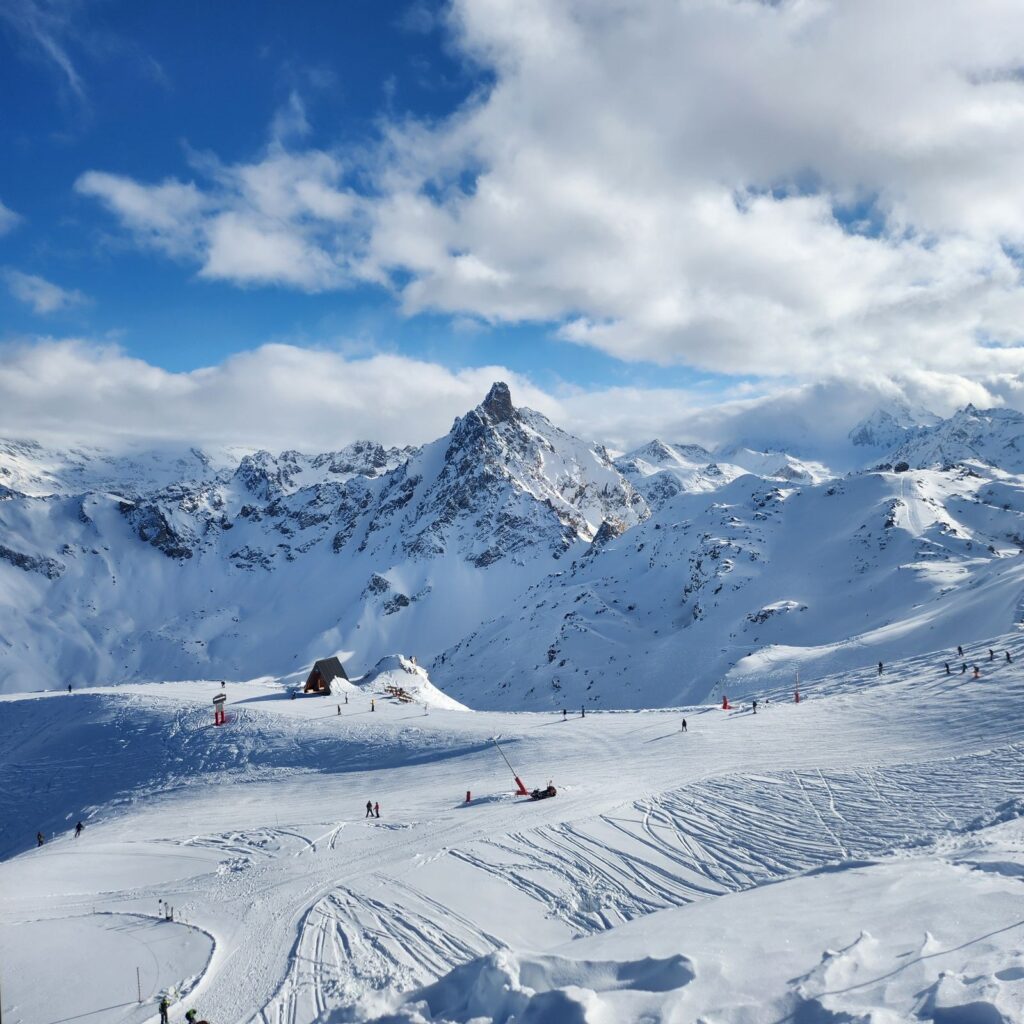
Courchevel & Les 3 Vallées, France
- 600 km of linked slopes, seven resorts
- Val Thorens: Europe’s highest ski resort at 2,300 m
- Co-hosted the 2023 FIS Alpine World Ski Championships
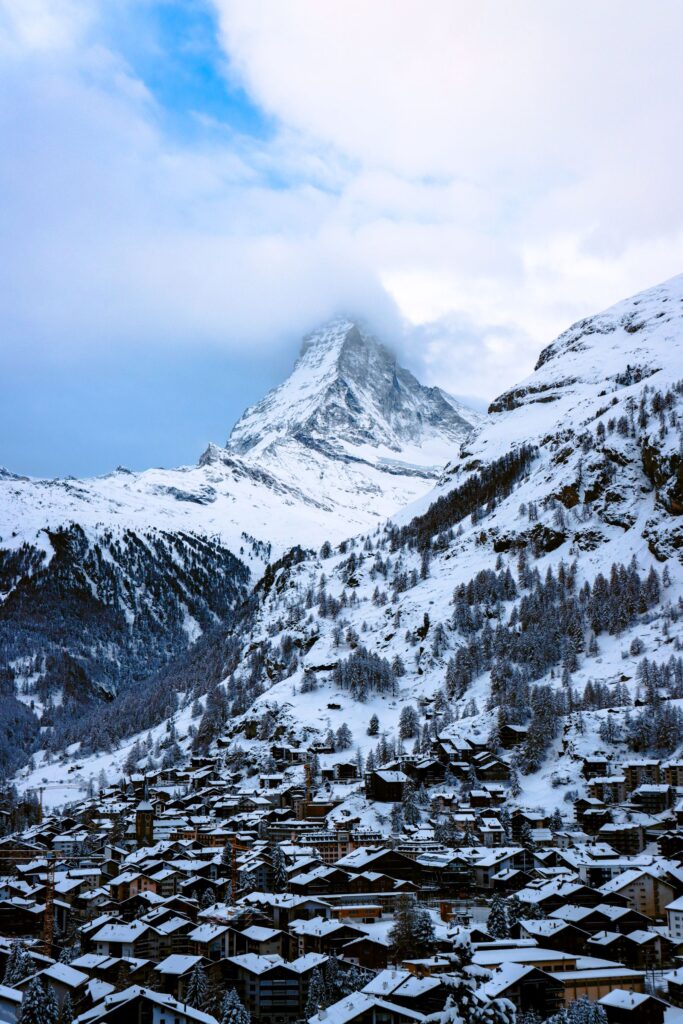
Zermatt, Switzerland
- Car-free village beneath the Matterhorn
- About 360 km of pistes with Cervinia, Italy
- Summer skiing on the Theodul Glacier
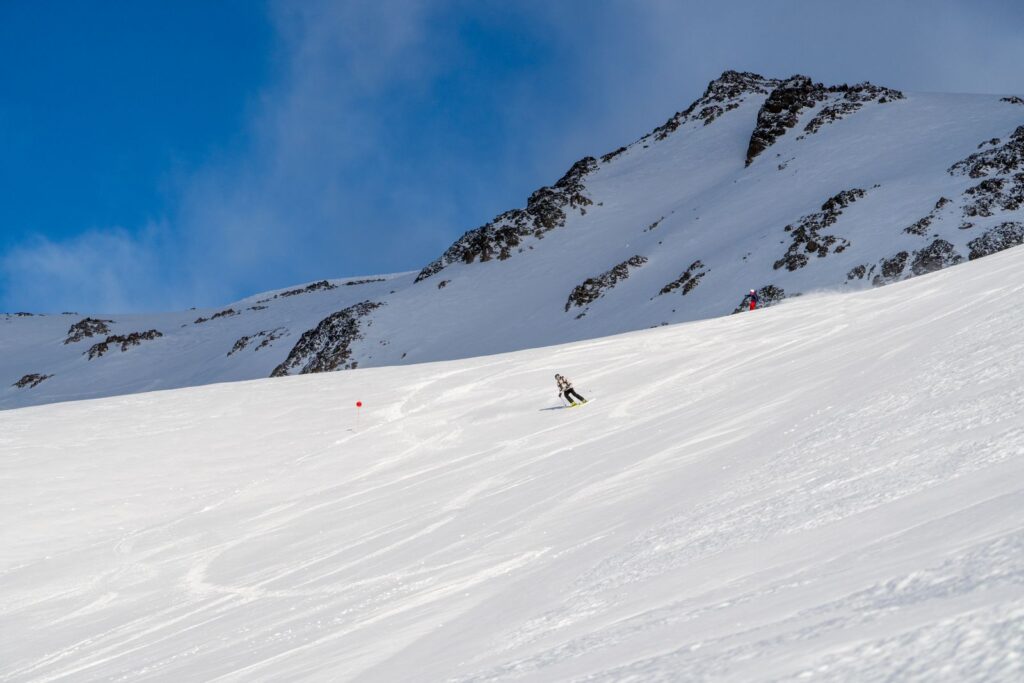
Verbier, Switzerland
- 410 km in the 4 Vallées
- Top lift: Mont Fort, 3,330 m
- Hosts the Xtreme Verbier Freeride World Tour final
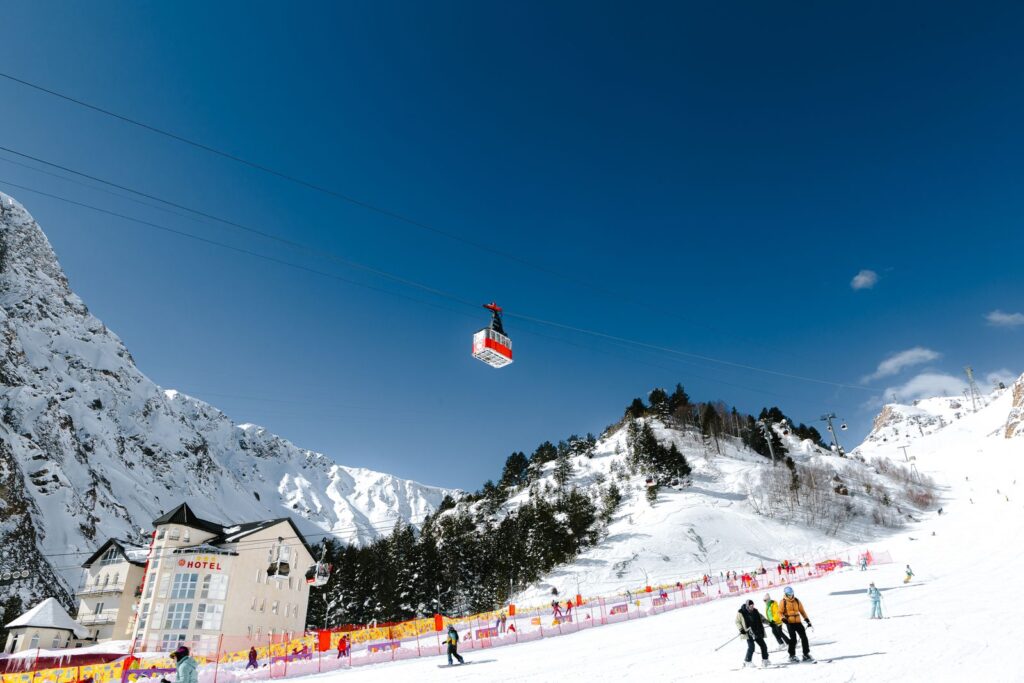
St Moritz, Switzerland
- Hosted the Winter Olympics in 1928 and 1948
- Corvatsch reaches 3,303 m
- Winter racing on the frozen lake (White Turf)
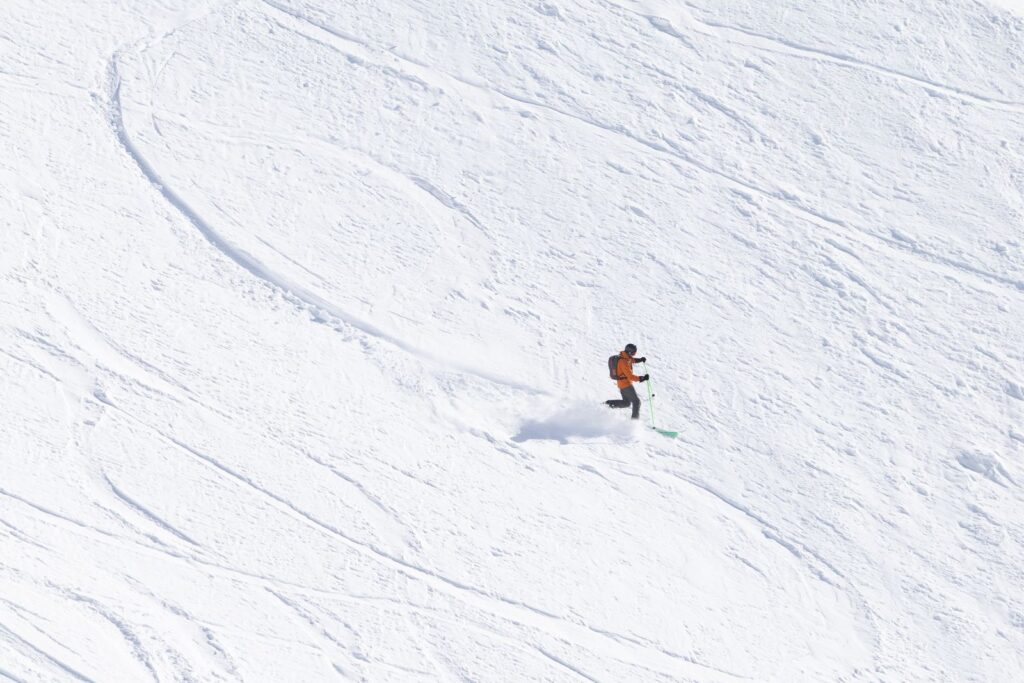
Aspen Snowmass, Colorado
- Four mountains, one lift ticket
- Snowmass summit: 3,813 m (12,510 ft)
- Buttermilk: 35% beginner terrain
Lech Zürs & Ski Arlberg, Austria
- Part of Ski Arlberg: 301 km of slopes, 85 lifts
- Der Weisse Ring: a legendary 22 km ski circuit
- Around 9 m of fresh snow a season on average
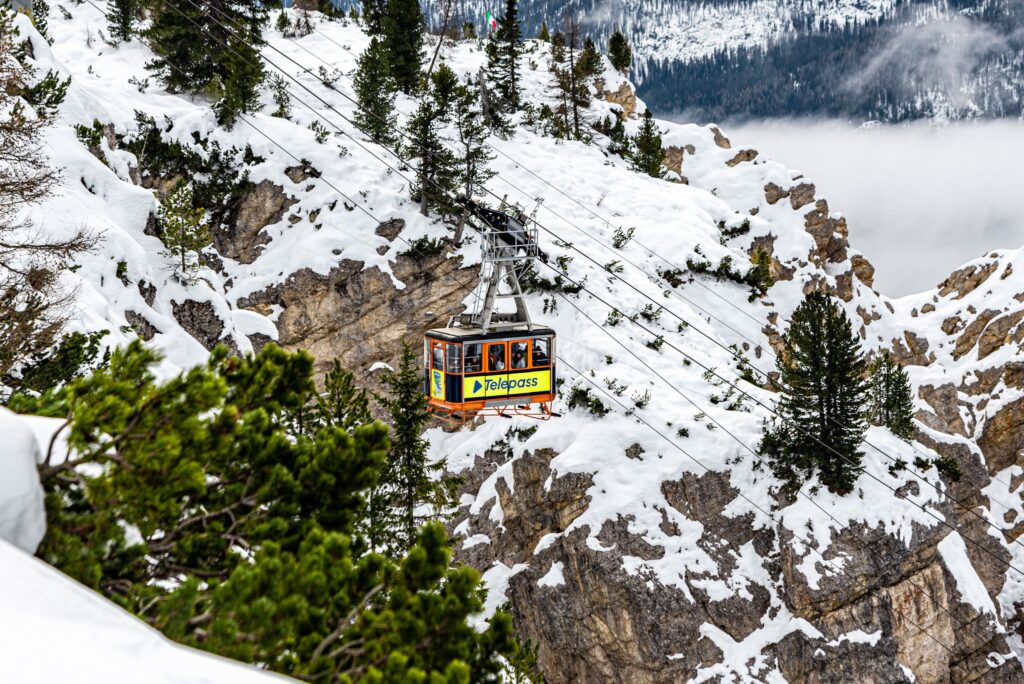
Cortina d’Ampezzo, Italy
- Olympic host in 1956 and co-host of Milano Cortina 2026
- 120 km of slopes in the UNESCO-listed Dolomites
- Dolomiti Superski: 1,200 km on one ski pass
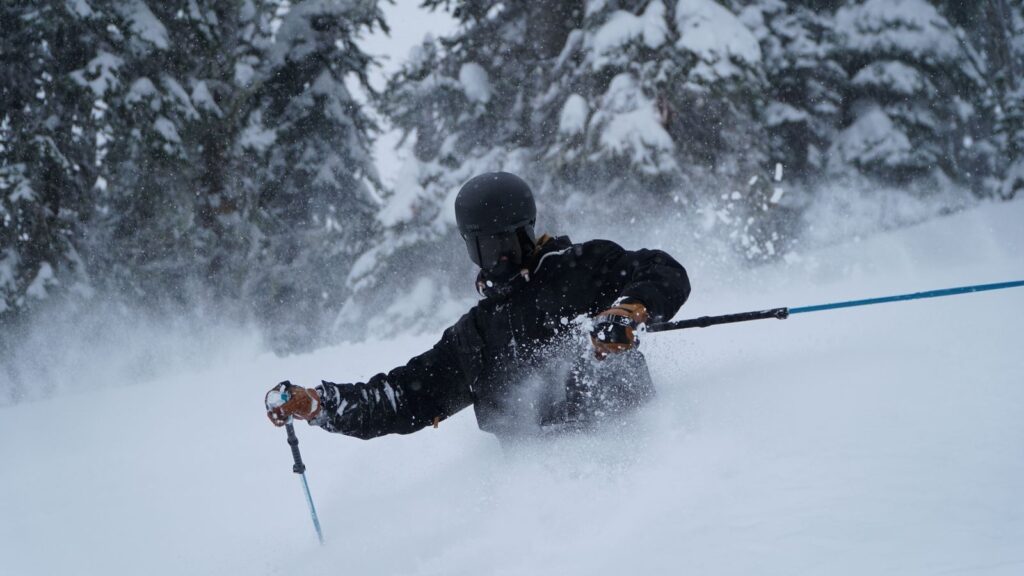
Whistler Blackcomb, Canada
- 8,171 acres, North America’s largest ski resort
- PEAK 2 PEAK Gondola: 4.4 km between the two peaks
- Host of the 2010 Winter Olympics
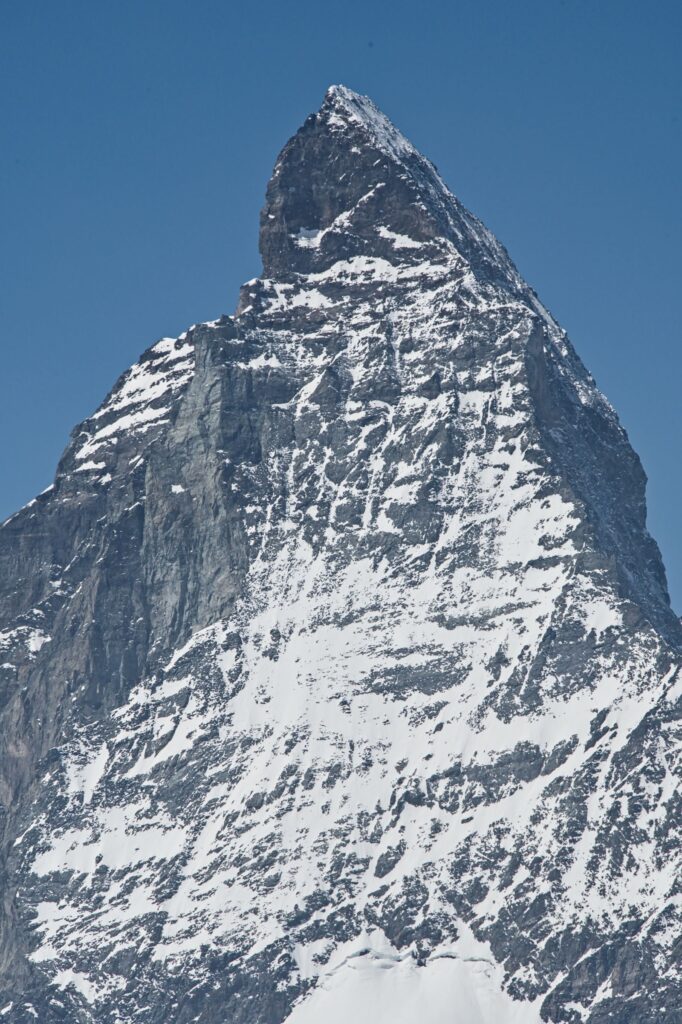
Compare the resorts
See ski-area size, top lift height and what each resort is best for side by side, or read our guide to choosing a luxury ski resort.
Ski chalets in the Alps & five-star ski hotels
Where you sleep shapes the whole ski day: how fast you reach the first lift, whether someone dries your boots, and where you recover when the lifts close.
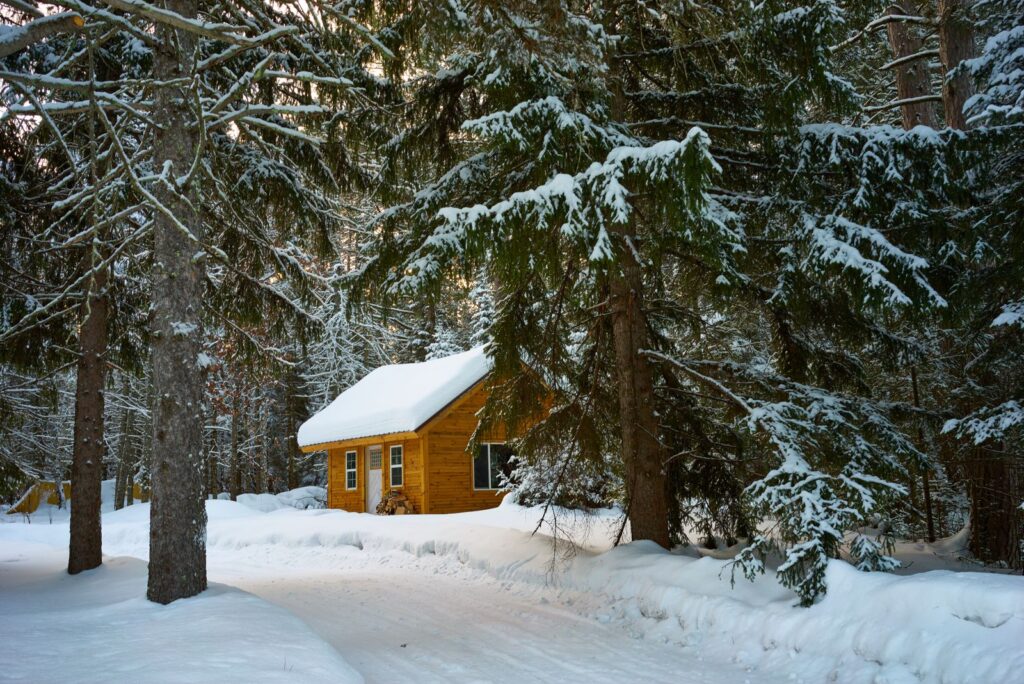
Staffed ski chalets
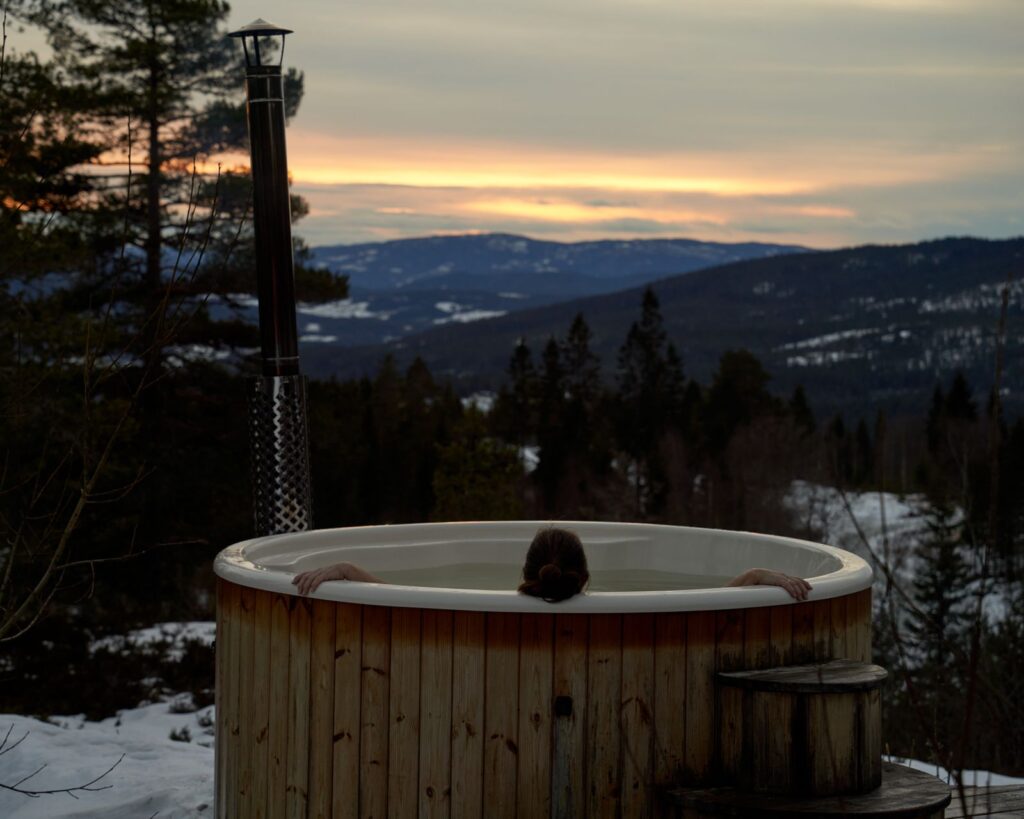
The classic Alpine luxury ski stay: a private chalet with a chef and host, often with a sauna or outdoor hot tub. Courchevel 1850, Méribel and Verbier have particularly deep chalet markets.
Palace & five-star hotels
Grand hotels put spa, restaurants, ski concierge and room service under one roof. France awards an official “Palace” distinction to a small group of five-star hotels, several of them in Courchevel.
Ski & spa retreats
Ideal for mixed groups where keen skiers travel with people who want rest days: pools, saunas, hammams and treatments timed for after the lifts close.
On the piste, off the piste
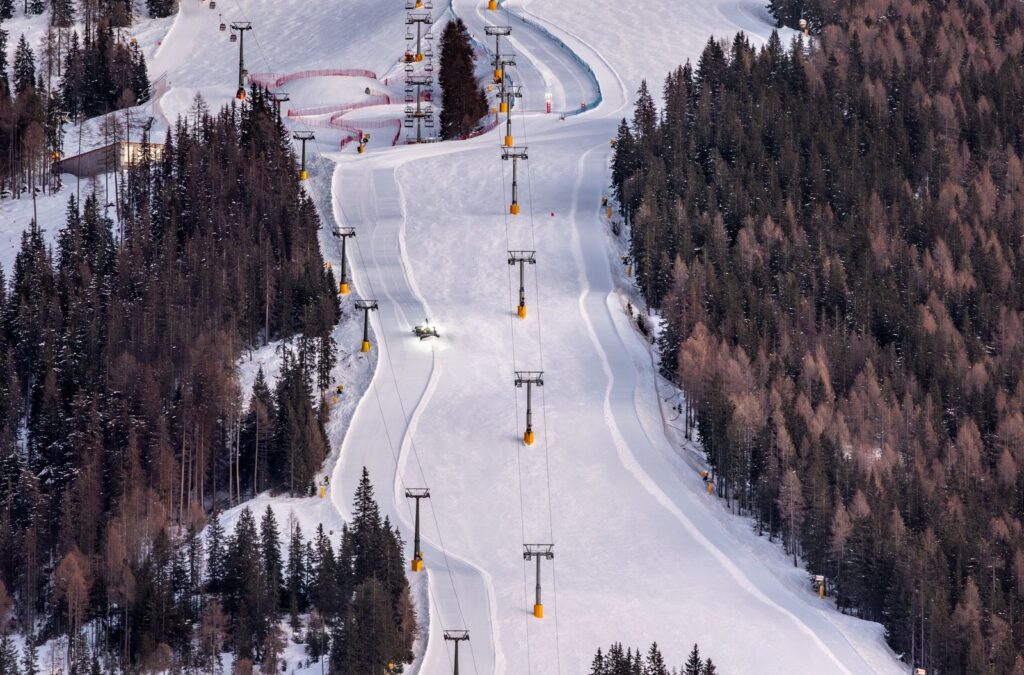
Most of a luxury ski week is spent on marked, groomed pistes. In Europe, runs are colour-coded by difficulty, and the colours are relative to each resort, so a red in one valley can feel like a black in another.
| Grade | Europe | North America |
|---|---|---|
| Easiest | Green (mainly France) | Green circle |
| Easy-intermediate | Blue | Blue square |
| Intermediate-advanced | Red | Black diamond |
| Expert | Black | Double black diamond |
Off-piste and freeride terrain is unmarked, unpatrolled and exposed to avalanche risk. Ski it with a qualified mountain guide, an avalanche transceiver, shovel and probe, and insurance that covers it.
Après-ski, spa and mountain dining
Why travel luxury at all? Because a ski day is physically demanding, and the hours around it decide how good the next morning feels.
Recovery that’s built in
Pools, saunas, steam rooms and massage after six hours at altitude aren’t just indulgent. They help you ski the next day. Many five-star ski hotels centre their offer on the spa.
Lunch worth skiing to
Top resorts compete on mountain restaurants as much as on grooming. Courchevel, Zermatt and St Moritz are known for restaurants listed in the Michelin Guide. Check the current guide before you go.
Time back on the snow
Ski-in/ski-out access, boot rooms, kit delivery and private lessons remove the waiting around, so more of your lift pass becomes skiing.
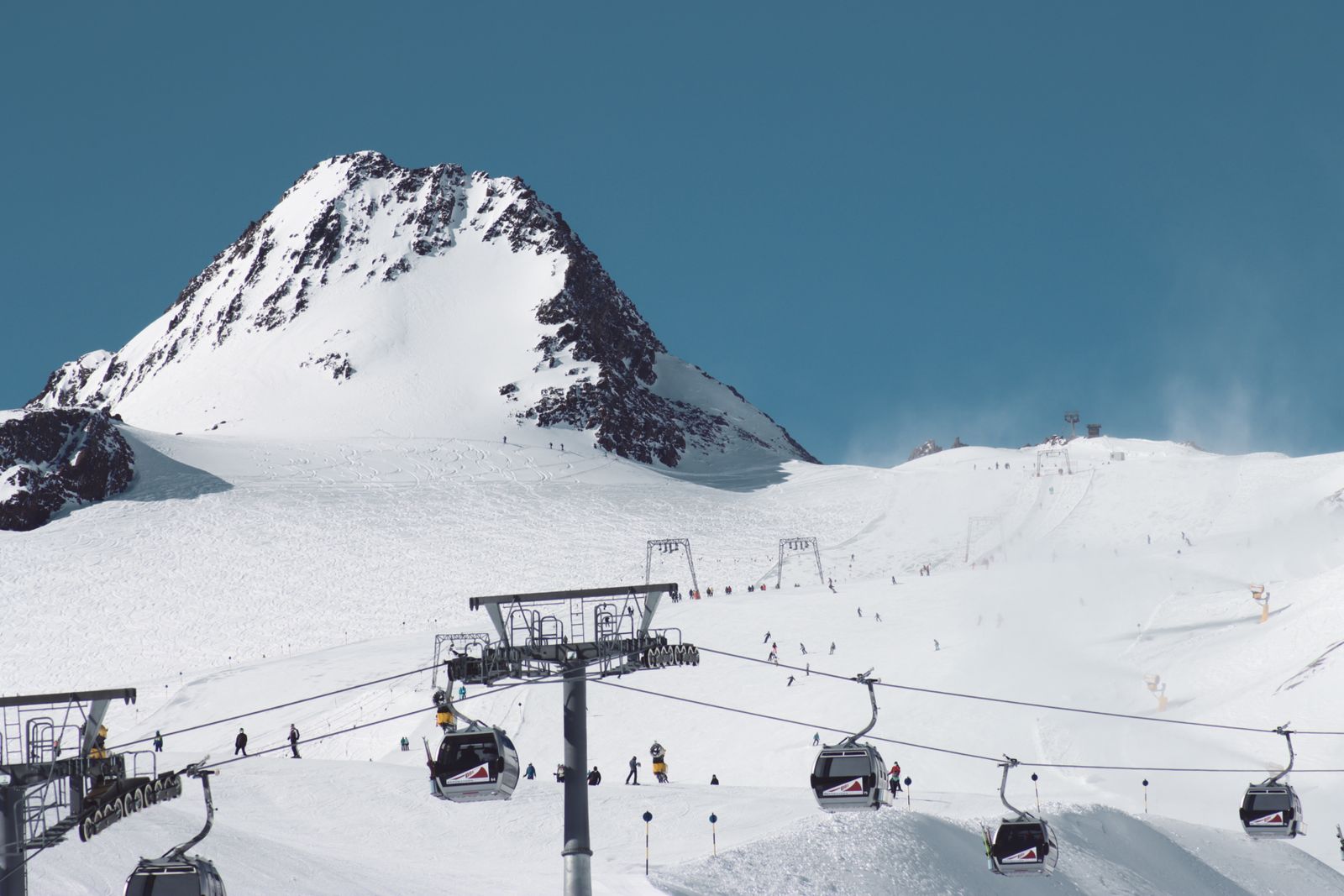
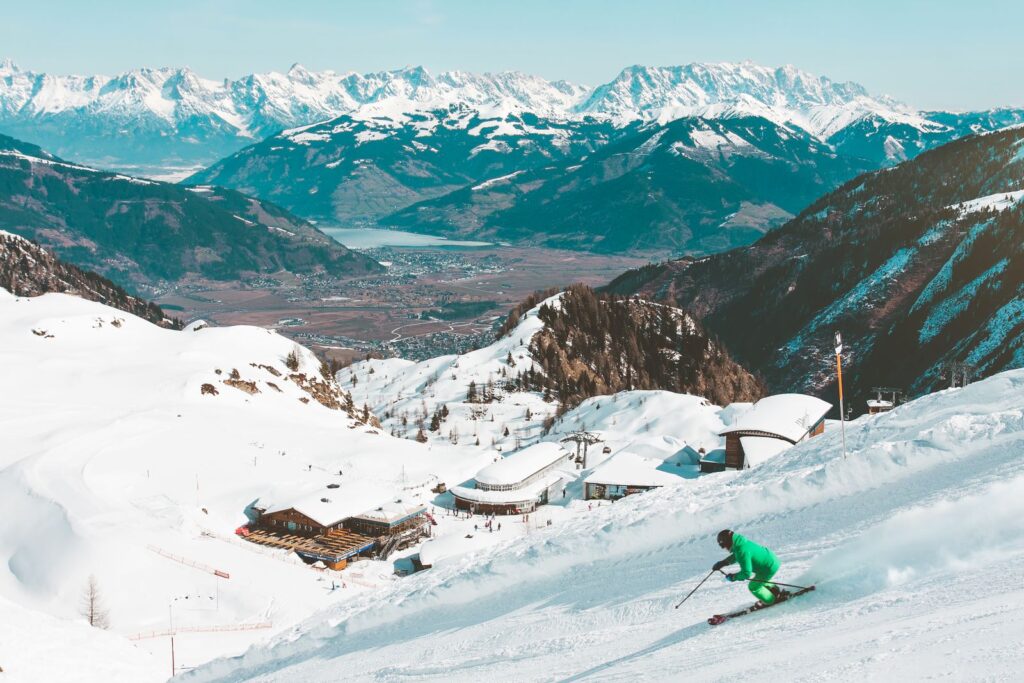
Mountains, pistes and resorts in pictures
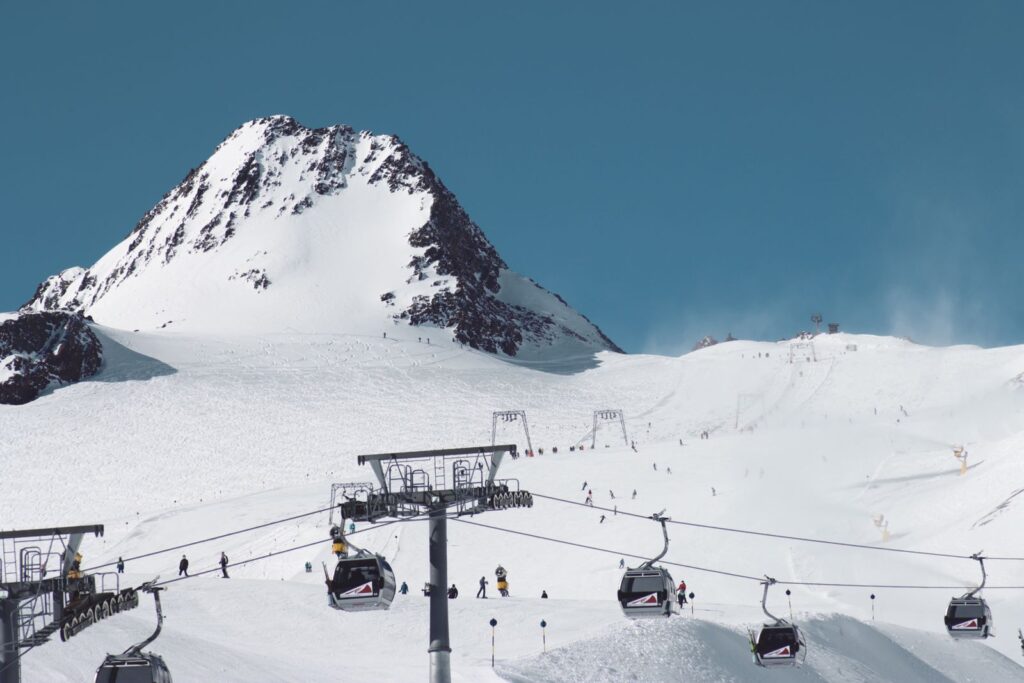
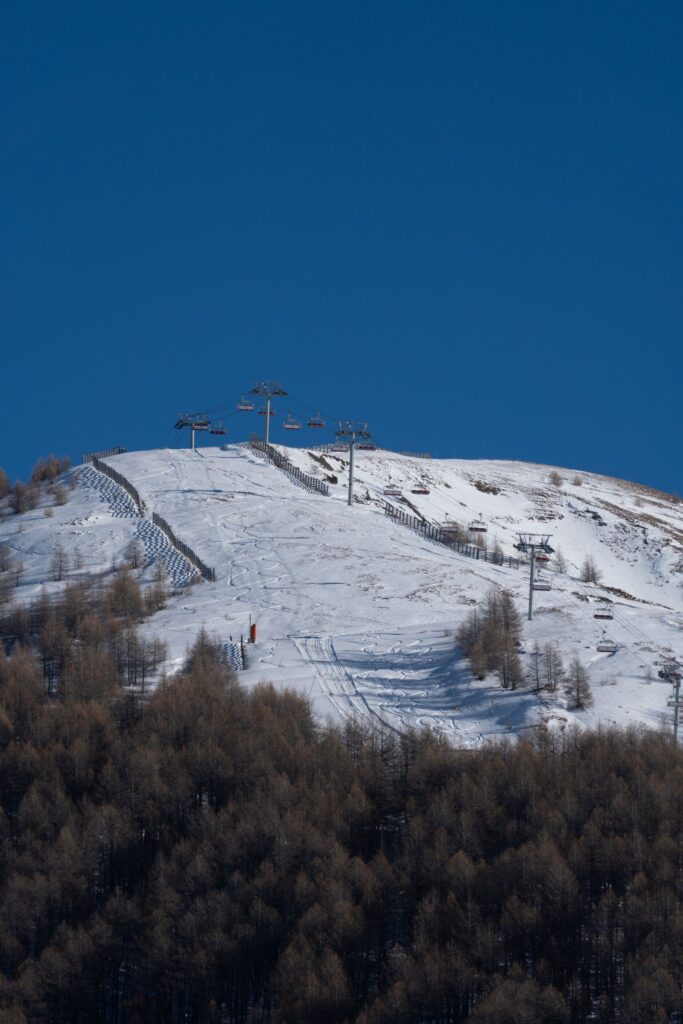
Gondolas, chairlifts, corduroy pistes and fresh powder: the scenery of a luxury ski break.
When to go skiing in the Alps
Most Alpine resorts run their main winter season from around early December to April, with exact opening and closing dates set by each resort every year.
- Peak weeks: Christmas and New Year and the February school holidays are the busiest and book up earliest for chalets, hotels and instructors.
- January: often quieter on the slopes after New Year, with cold, short days.
- March-April: longer, sunnier days; higher resorts and north-facing slopes hold snow best late in the season.
- Summer: Zermatt’s Theodul Glacier is officially described as Europe’s highest and largest summer ski area, subject to conditions.
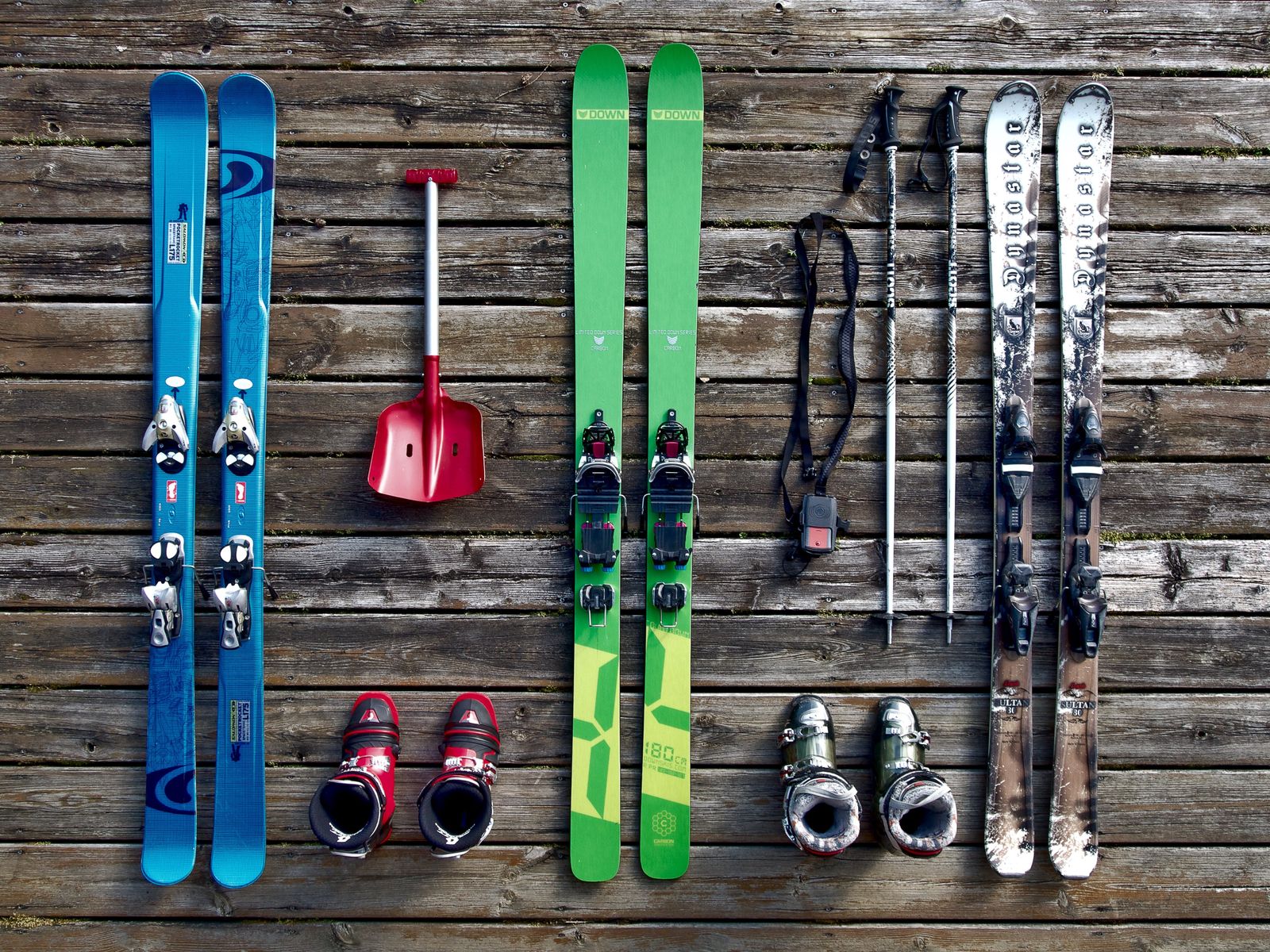
What to pack for a ski trip
Layers that breathe, a helmet and goggles, sun protection for altitude, the right insurance, and something smart for dinner.
Layers
Merino or synthetic base, fleece mid-layer, waterproof shell.
Protection
Helmet, goggles with a flat-light lens, high-SPF sunscreen.
Documents
Passport, winter-sports insurance, GHIC for UK travellers in the EU.
Evenings
Grippy après boots, smart-casual dinner wear, swimwear for the spa.
Luxury ski holiday FAQs
Quick, factual answers to the questions people ask most when planning a high-end ski trip.
What is the largest ski area in the world?
Les 3 Vallées in the French Alps describes itself as the world’s largest interconnected ski area, with 600 km of slopes linking seven resorts including Courchevel, Méribel and Val Thorens.
Which ski resort has the highest lift in Europe?
The Matterhorn Glacier Paradise above Zermatt, Switzerland, is Europe’s highest cable-car station at 3,883 m.
What does ski-in/ski-out mean?
It means you can ski from the piste to your accommodation and back out again without taking a bus or carrying skis. Check the exact route on the piste map: some properties marketed as ski-in/ski-out need a short walk or a particular run to be open.
Can you ski in the Alps in summer?
Yes, in a few glacier areas. Zermatt’s Theodul Glacier offers summer skiing that Matterhorn Paradise describes as Europe’s highest and largest summer ski area; it usually operates in the mornings and can close in hot weather.
What do the piste colours mean?
In Europe, runs are graded green (easiest, mainly in France), blue, red and black (most difficult). North America uses green circles, blue squares and black diamonds. Grades are relative to each resort.
Is Aspen good for beginners?
Aspen Mountain itself has no beginner terrain according to Aspen Snowmass’s official statistics, but Buttermilk is 35% beginner terrain and Snowmass also has easier runs, all on the same lift ticket.
Do I need special travel insurance for a ski holiday?
Yes. Standard travel insurance often excludes winter sports. Look for cover that includes skiing, mountain rescue and medical repatriation, and check whether off-piste skiing is covered, and on what conditions.
Do I need a guide to ski off-piste?
Off-piste terrain is not patrolled or protected from avalanches. A qualified mountain guide, plus a transceiver, shovel and probe you know how to use, is strongly recommended.
From the blog
Independent, fact-checked guides to planning a luxury ski holiday, from choosing the resort to packing for the mountain sun.
Luxury ski guides
How to choose a luxury ski resort: the Alps vs North America
Linked Alpine ski areas or big North American resorts? Scale, altitude, snow and village life compared.
Luxury ski guides
Ski-in/ski-out explained: what to check before booking
What the phrase should mean, the variations in listings and the questions worth asking.
Luxury ski guides
When to book a catered ski chalet: peak weeks vs January
Christmas, half-term, Easter or a quiet January week: how timing shapes snow, crowds and choice.
Luxury ski guides
Sun protection at altitude: what to pack
Why UV is stronger on the mountain, what the WHO and NHS advise, and the essentials to pack.
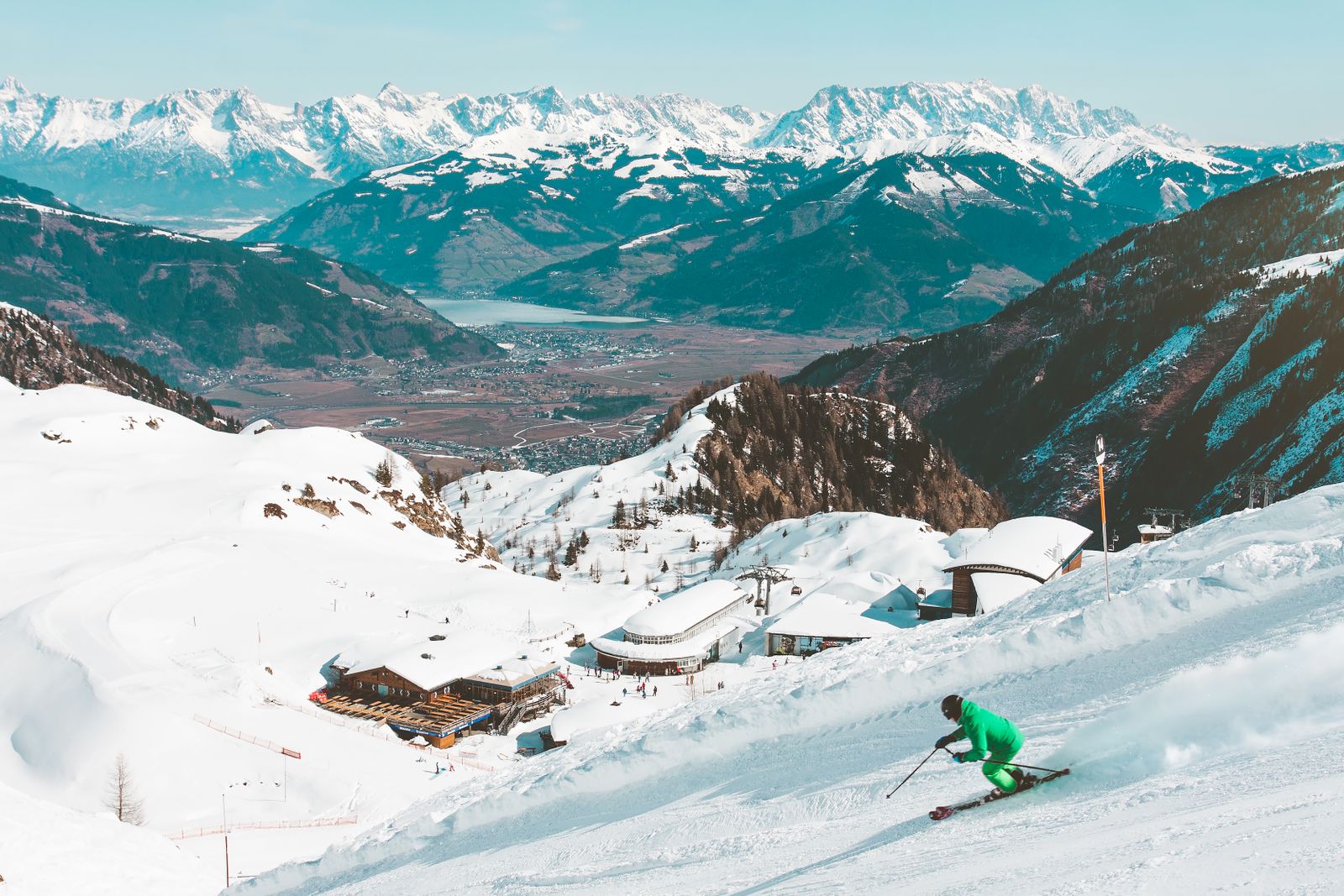
Start planning your luxury ski break
Choose a resort, pick your style of stay, plan the ski days and pack properly. Four guides, one great week on the mountain.
About this site: Luxury Ski Breaks is independent editorial content. We are not a tour operator or travel agent, we do not take bookings, and we are not the official website of any resort, hotel or lift company. Resort facts are taken from official tourism and lift-company sources and can change by season. Always confirm details before you travel. Photos are stock images from Pexels used as examples.