What to bring
What to pack for a luxury ski trip
A practical ski packing list: layers, kit, documents and the extras that suit chalet and five-star stays, based on Ski Club of Great Britain guidance.
Pack for the mountain, not just the hotel
Luxury ski travel still means cold mornings, wet kit and long days outside. Good chalets and hotels can dry your boots and deliver your hire skis, but they can’t lend you the right base layer at 8am.
The three-layer system
1. Base layer
Moisture-wicking merino or technical synthetic next to the skin. Avoid cotton, which holds sweat and chills you on the lift.
2. Mid layer
A technical fleece or light insulated jacket you can add or remove as the temperature changes through the day.
3. Outer shell
Waterproof, windproof ski jacket and trousers. Vents and a powder skirt are useful extras.
Ski kit checklist
On the mountain
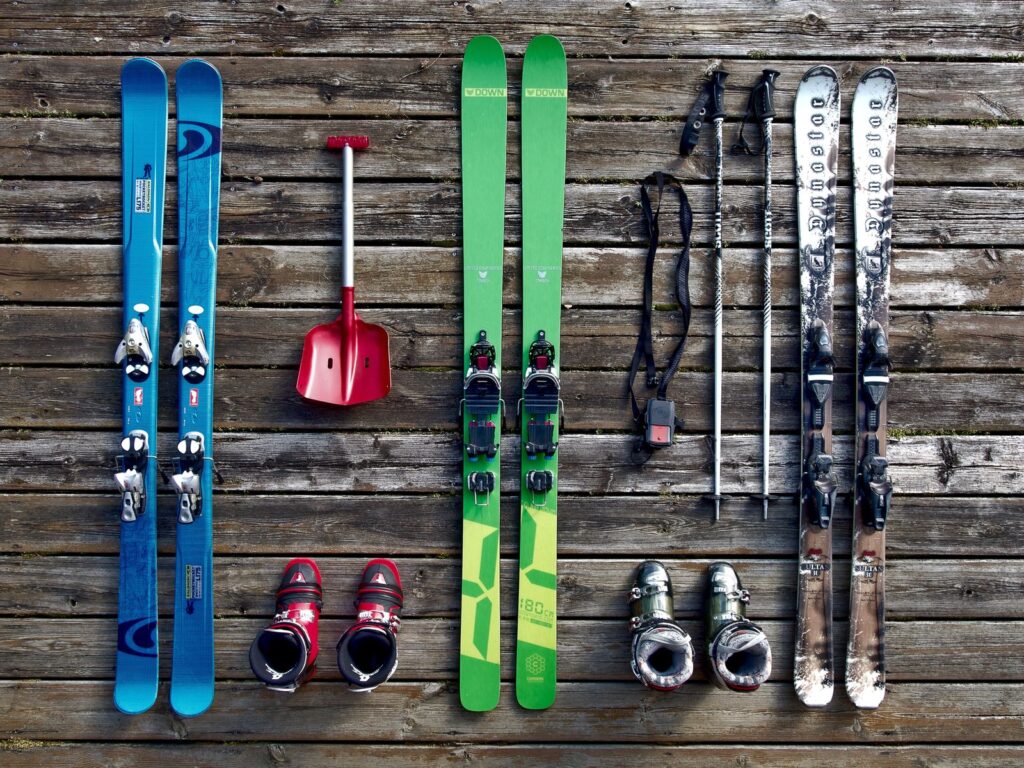
- Ski jacket and trousers
- 2-3 base layers
- Fleece or insulated mid-layer
- Thin ski socks (several pairs)
- Gloves or mittens, plus liners
- Neck tube or balaclava
- Warm hat for après
Protection
- Helmet
- Goggles, plus a flat-light lens
- Sunglasses
- High-SPF sunscreen
- SPF lip balm
- Small rucksack
- Water bottle
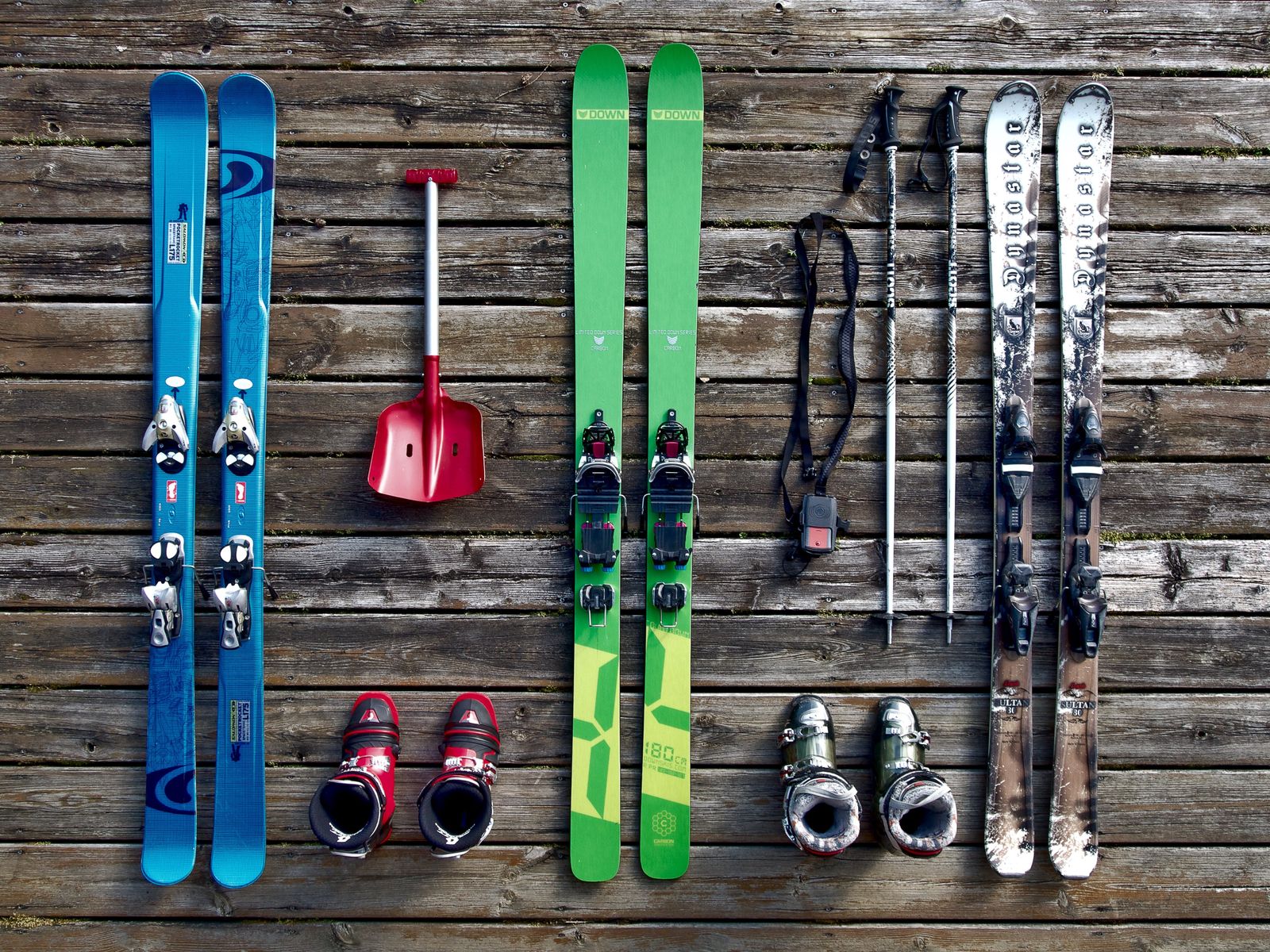
Many luxury packages include ski hire or delivery to the chalet. Book early for peak weeks. If you own custom-fitted boots, bring them: they make more difference to comfort than any other item.
Hand-luggage essentials
Ski Club GB suggests wearing your ski jacket on the plane and packing gloves, goggles and base layers in your hand luggage, so a delayed bag doesn’t cost you a ski day.
Sun protection at altitude
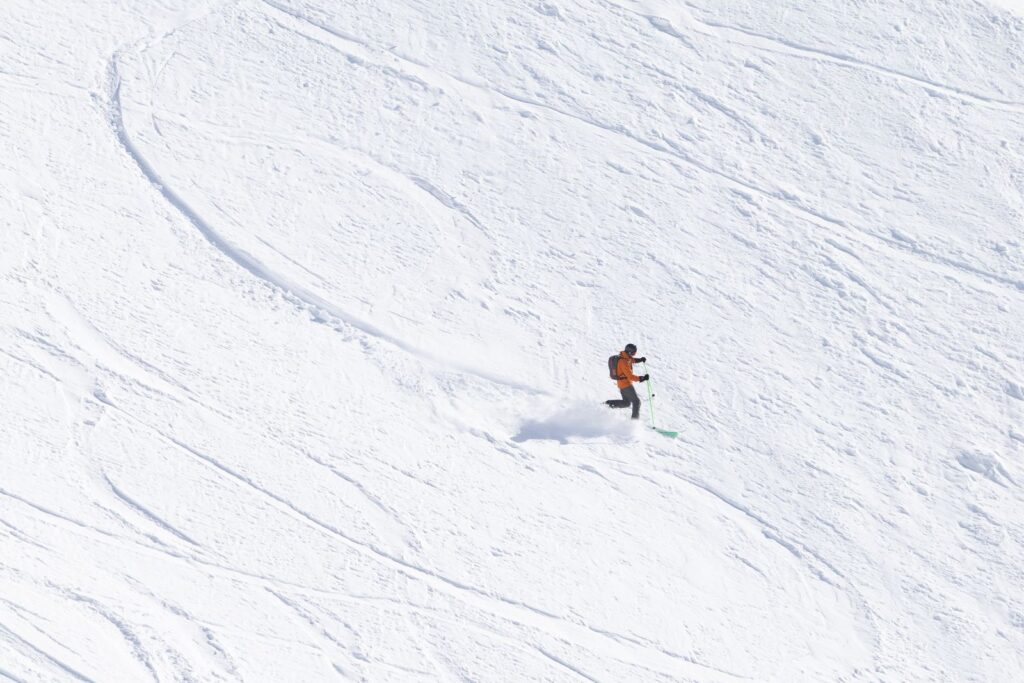
The World Health Organization notes that UV levels rise by around 10% with every 1,000 m of altitude, and fresh snow can reflect up to 80% of UV radiation. On a bright day high in the Alps you are exposed from above and below.
- Use a high-SPF, water-resistant sunscreen and reapply at lunch
- Goggles or category-appropriate sunglasses every day, even when cloudy
- SPF lip balm (lips burn fast at altitude)
Off-piste safety kit
If you plan to ski off-piste, everyone in the group needs:
- Avalanche transceiver (switched on, worn under your jacket)
- Shovel
- Probe
- Rucksack to carry them (airbag packs are an option)
Kit only helps if you know how to use it. Practise with your guide before heading out.
Documents and insurance (UK travellers)
- Passport with enough validity for your destination (check current GOV.UK travel advice)
- Travel insurance that covers winter sports, and off-piste if you plan to freeride
- GHIC for state healthcare in the EU (not a substitute for insurance)
- Any visas or travel authorisations required, such as an ESTA for the USA
- Lift pass and ski-hire confirmations
Packing for chalet and hotel evenings
- Smart-casual outfits for hotel restaurants and chalet dinners
- Après boots with good grip for icy village streets
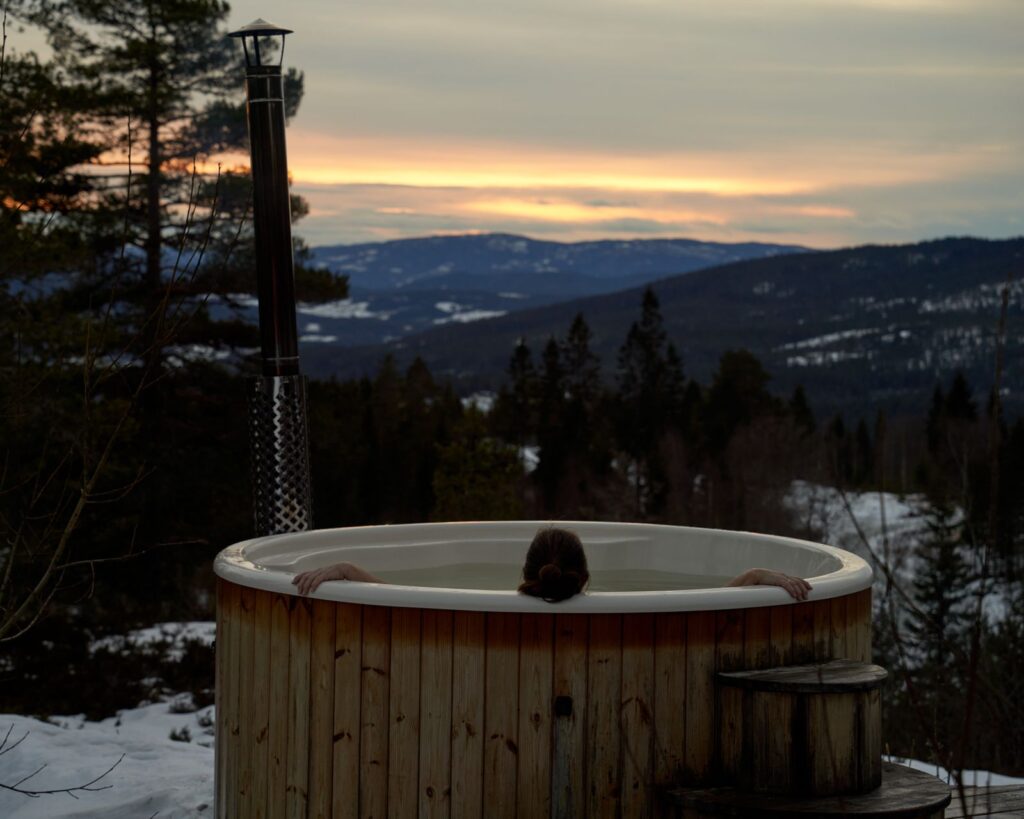
- Swimwear for spa pools and outdoor hot tubs
- A compact down jacket for walking to dinner
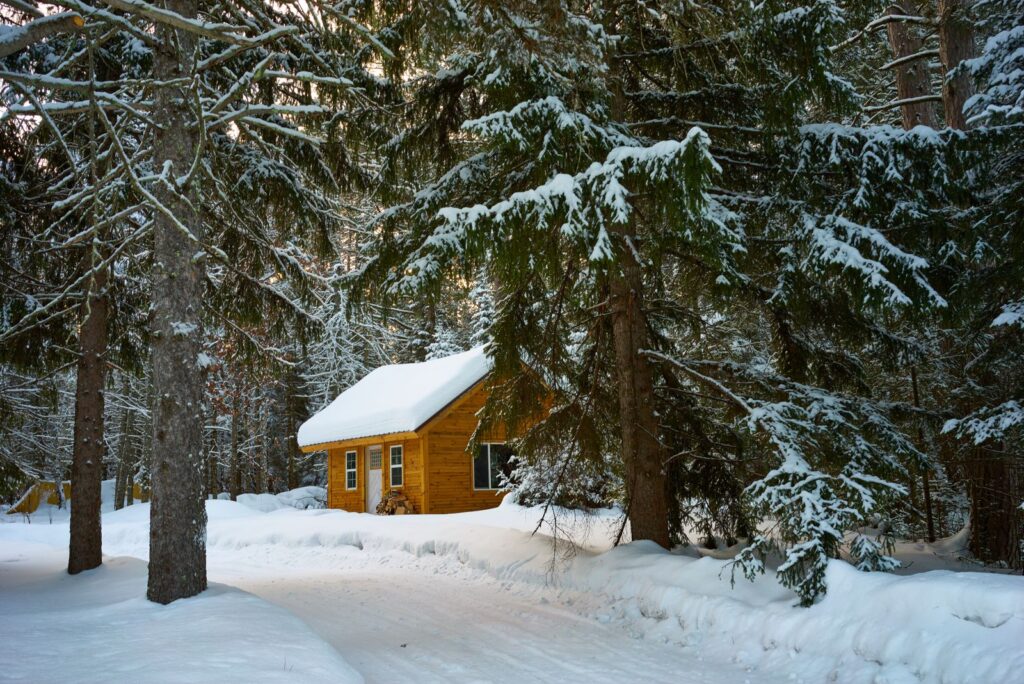
- Slippers or indoor shoes for chalets
Main packing source: Ski Club of Great Britain. UV figures: World Health Organization. This is general guidance, not a substitute for your insurer’s requirements or a resort’s own advice. Luxury Ski Breaks is independent and does not sell travel.