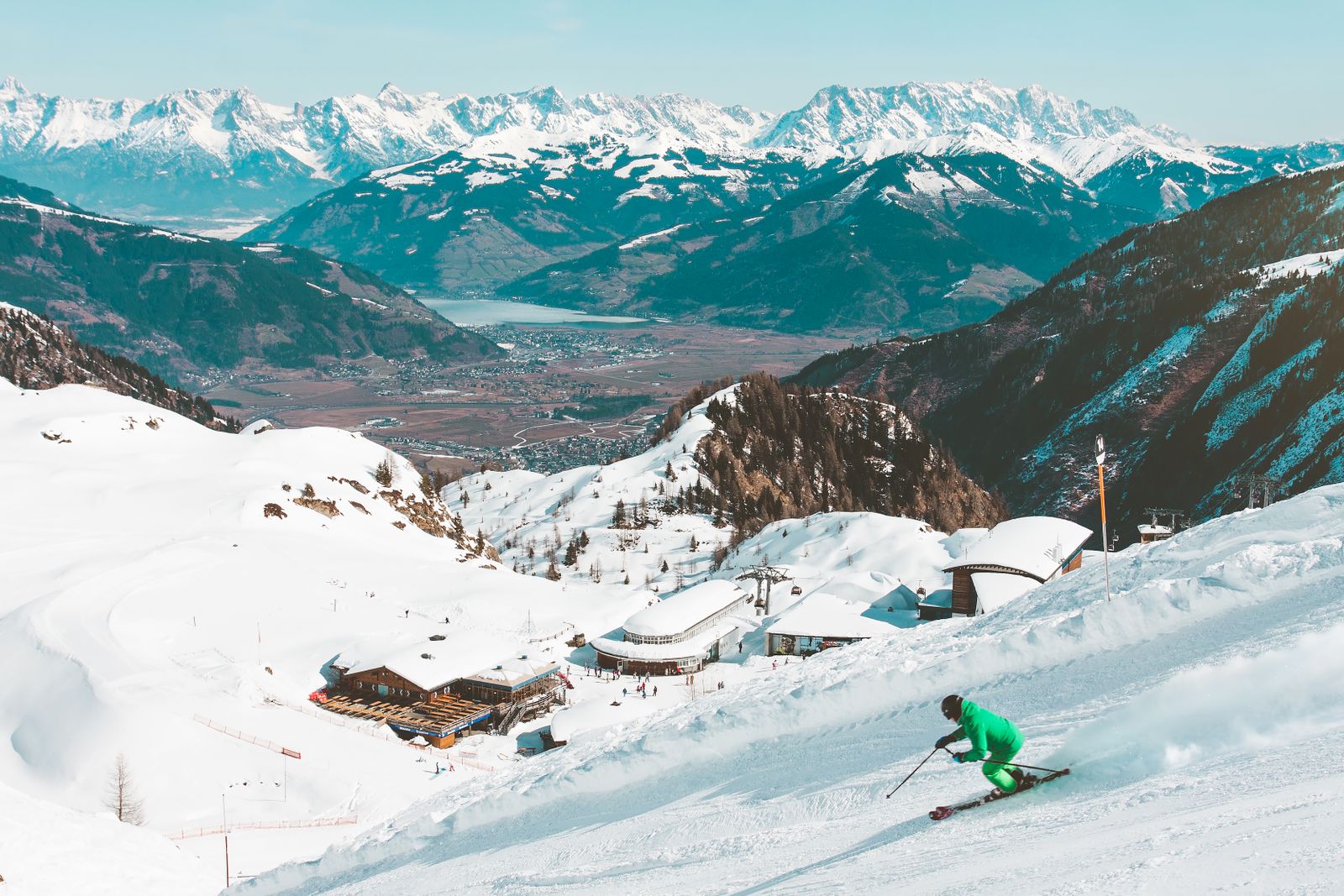
Mountain sunshine is one of the joys of a ski holiday, and one of its most underestimated risks. Altitude and snow both increase the ultraviolet (UV) radiation reaching your skin and eyes. Here is what the health authorities say, and what to pack.
Why UV is stronger on the mountain
According to the World Health Organization (WHO), UV levels increase by about 10% with every 1,000 m of altitude, because there is less atmosphere to absorb it. Fresh snow can reflect up to 80% of UV radiation, so you are exposed from above and below at the same time.
Put that in context: Val Thorens sits at 2,300 m, Corvatsch above St Moritz reaches 3,303 m and the Matterhorn Glacier Paradise above Zermatt is 3,883 m. Even on a cold or hazy day, UV can be high.
Protect your skin
The NHS recommends a sunscreen with a sun protection factor (SPF) of at least 30 and at least 4-star UVA protection, applied generously and reapplied regularly, including after sweating or towel-drying. On the mountain, that means:
- A high-SPF, broad-spectrum sunscreen in a pocket-sized tube for reapplying at lunch.
- An SPF lip balm (lips burn easily at altitude).
- Particular care with often-missed areas: ears, nose, under the chin (reflected UV) and the back of the neck.
- A neck tube or balaclava for cold, windy lift rides.
Protect your eyes
The WHO notes that intense UV reflected from snow can cause photokeratitis, often called snow blindness, a painful, temporary burn to the surface of the eye. Pack ski goggles for poor visibility and wraparound sunglasses with full UV protection for sunny days, lunch on the terrace and walks in the village.
Altitude and hydration
The NHS says altitude sickness can occur when people travel above 2,500 m, particularly if they ascend quickly. Most Alpine resort villages are lower than this, but many lifts climb well above it. Drink plenty of water, go easy on alcohol on the first day, and if you feel unwell high up, head down. Anyone with a heart or lung condition should take medical advice before travelling.
A sun-smart ski packing list
- SPF 30+ sunscreen with 4-star UVA protection, and SPF lip balm
- Wraparound sunglasses with full UV protection
- Goggles with lenses for flat light and bright sun
- Helmet, neck tube and thin balaclava
- Refillable water bottle
- After-sun or a rich moisturiser for dry mountain air
For everything else, see our full What to bring list. Planning where to go? Start with Where to go, and see What to do for spa and recovery ideas after a day in the sun.
Frequently asked questions
Why is UV stronger when you are skiing?
According to the World Health Organization, UV levels increase by about 10% with every 1,000 m of altitude, because there is less atmosphere to absorb it. Fresh snow can also reflect up to 80% of UV radiation, so you are exposed from above and below at the same time.
Do I need sunscreen on a cloudy or cold day on the slopes?
Yes. Cold air does not reduce UV, and the WHO notes that much of the sun’s UV can pass through light cloud. At altitude and on snow, UV can be high even when it feels chilly or hazy.
What sunscreen should I use for skiing?
The NHS recommends a sunscreen with SPF 30 or higher and at least 4-star UVA protection, applied generously and reapplied regularly, including after sweating or towel-drying. Carry a pocket-sized tube to reapply at lunch, plus an SPF lip balm.
What is snow blindness?
Snow blindness is the common name for photokeratitis, a painful, temporary burn to the surface of the eye caused by intense UV reflected from snow, as described by the WHO. Wear wraparound sunglasses with full UV protection on sunny days and ski goggles in poor visibility.
Can you get altitude sickness on a ski holiday?
The NHS says altitude sickness can occur above 2,500 m, particularly if you ascend quickly. Most Alpine resort villages are lower than this, but many lifts climb well above it: the Matterhorn Glacier Paradise is 3,883 m. If you feel unwell high up, head down, and take medical advice before travelling if you have a heart or lung condition.
Which areas of skin are most often sunburnt when skiing?
Ears, nose, lips, under the chin and the back of the neck are the areas most often missed. Reflected UV from snow reaches places you might not expect, such as under the chin, so apply sunscreen there too and use an SPF lip balm.
Luxury Ski Breaks is independent editorial content. We are not a tour operator or travel agent, we do not take bookings and we are not affiliated with any resort, hotel, chalet company or lift operator mentioned. Facts come from official resort, tourism and health sources and can change by season. Always confirm details before you travel. Photos are Pexels stock images used as examples.